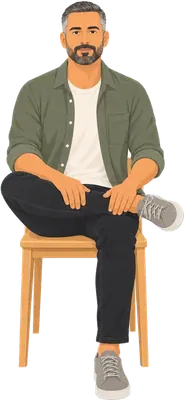
Seated hip release
Opens the hips and the lower back without leaving your chair.
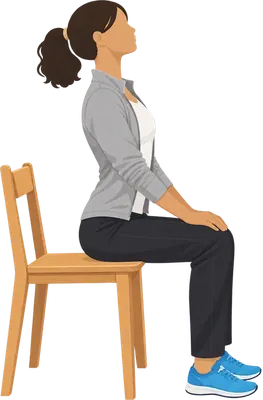
Easy chair stretch
From your chair, and nothing that puts weight on you.
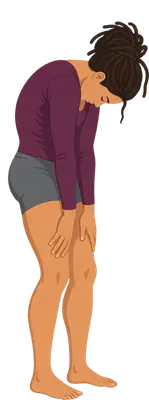
Standing lower back
A few minutes for your lower back, on your feet.
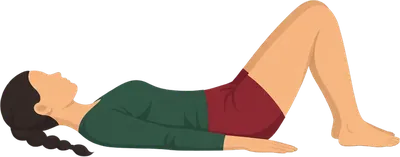
Lower back on the mat
For your lower back, with nothing that loads it.
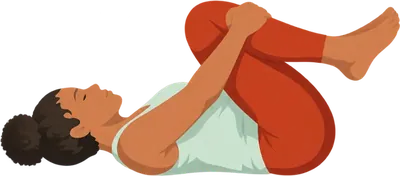
Lower back
Gentle work for the lower back, moving the spine both ways.
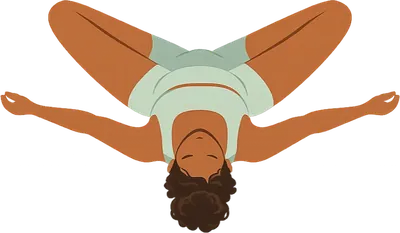
Wind down
Slow stretches, all lying down, for the end of the day.
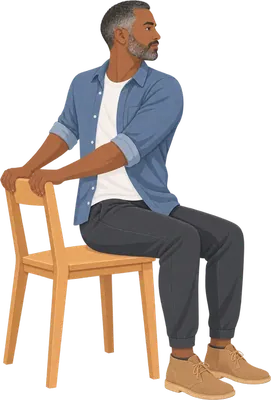
The chair break
Movement to balance sitting at a desk, from your chair
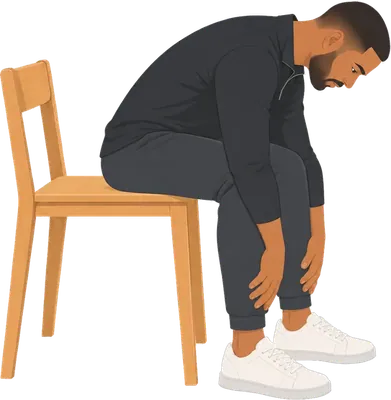
Settle into your chair
Slow and seated, with long holds for the neck, back and hips.
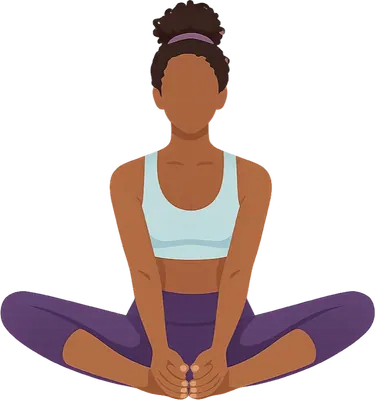
Easy hips
Opens the hips with nothing on your knees.
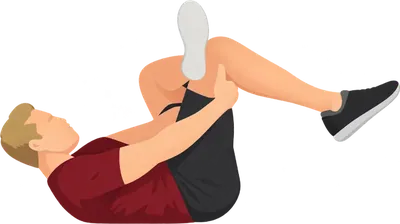
Evening lower back
Long holds for the lower back, at the end of the day.
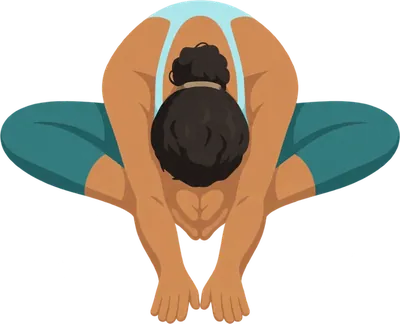
Floor hips
Deep, slow hip work, all of it on the floor.
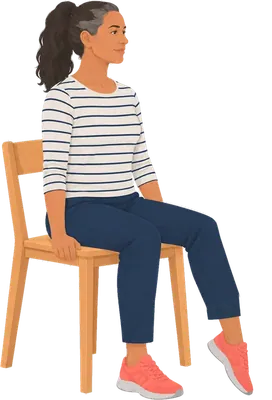
An easy seated start
Gets you moving from your chair, feet first, then up the spine.
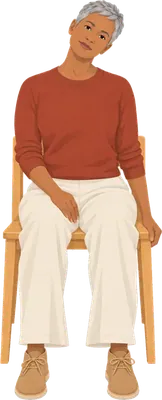
The full seated stretch
Neck to ankles in ten minutes, without leaving your chair.
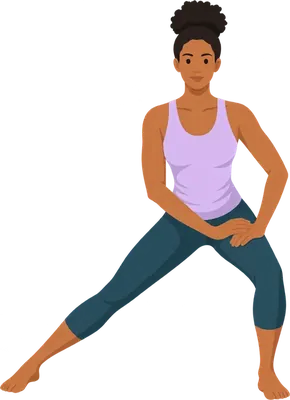
Standing hips
Opens the hips without ever taking you to the floor.
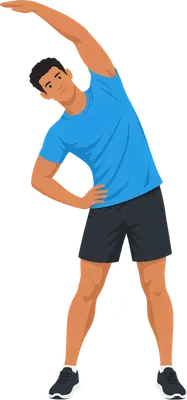
First thing
Made for straight out of bed. Light and easy.
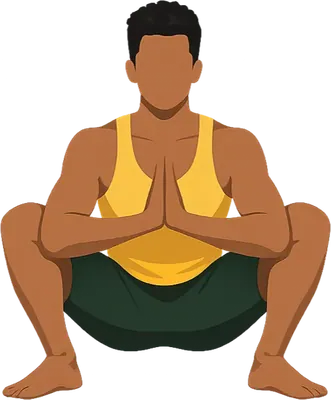
Open hips
Opens up the hips, standing first, then the floor.
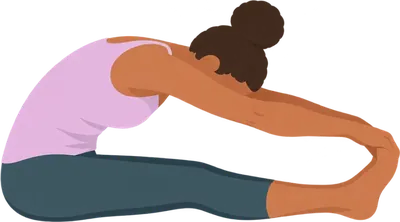
Floor hamstrings
The backs of the legs, seated and lying down.
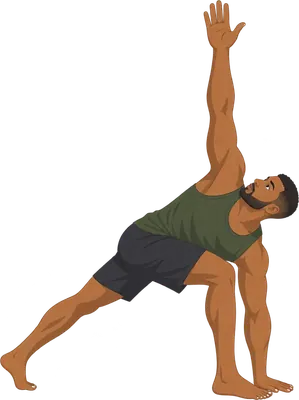
Long day reset
The longer after work reset, with time for every part.
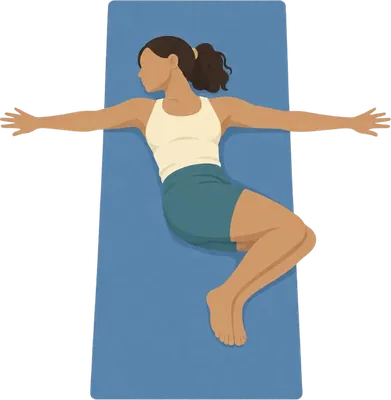
Chest and shoulders opener
Opens up the chest and the front of the shoulders.
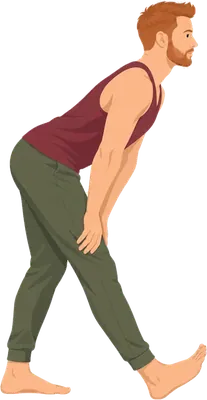
Standing head to toe
Neck to ankles in ten minutes, all on your feet.
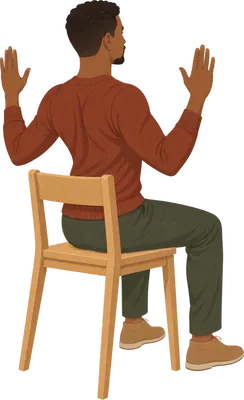
Sit taller
A quick posture work routine while in your chair
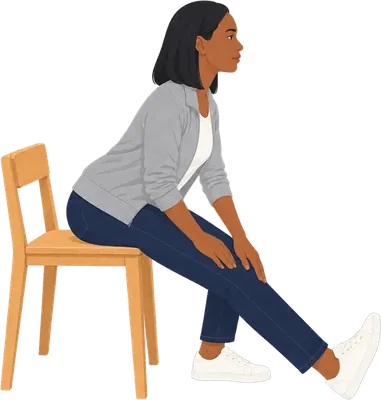
Leg room
The backs of the legs, knees and ankles, all from your chair.
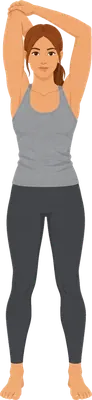
Standing upper back
Turns, arches and opens the upper back and shoulders, standing.